
John F. Kennedy remains one of the most talked-about presidents in American history. Even decades after his death, people continue to read his speeches, visit memorials, and learn about his life. I find it fascinating how one person could leave such a lasting mark in such a short time.
If you’ve ever wondered why John F. Kennedy is still remembered around the world, you’re not alone. From his military service to his role in the Space Race, his story is full of surprising moments.
In this article, you’ll discover interesting facts about John F Kennedy that go beyond the history textbooks. Some are inspiring, some are surprising, and all of them help paint a clearer picture of the man often known simply as “JFK.”
Quick Answer: What Makes John F. Kennedy So Interesting?
John F. Kennedy is best known for being the 35th President of the United States, leading the country during the Cuban Missile Crisis, inspiring the moon mission, and becoming the youngest elected U.S. president. His charisma, leadership, and tragic assassination have made him one of the most remembered figures in modern history.
What Are Interesting Facts About John F Kennedy?
Interesting facts about John F. Kennedy are unique details about his life, achievements, family, presidency, and legacy. They help us understand the person behind the public image.
Some facts highlight his political accomplishments, while others reveal lesser-known parts of his personal life. Depending on the topic, these facts can reflect leadership, courage, resilience, public service, and cultural influence.
Interesting Facts About John F Kennedy Comparison Table
| Fact | Main Meaning | Why It Matters |
| Youngest elected president | Leadership | Changed American politics |
| WWII hero | Courage | Served his country before politics |
| Pulitzer Prize winner | Intelligence | Recognized for his writing |
| Moon mission speech | Vision | Inspired space exploration |
| Cuban Missile Crisis | Crisis management | Prevented nuclear conflict |
| First televised debates | Media influence | Changed political campaigns |
| Large family background | Legacy | Influenced his values |
| Health challenges | Resilience | Overcame lifelong illnesses |
| PT-109 incident | Bravery | Became a national hero |
| Famous inaugural speech | Inspiration | Still quoted today |
| Jacqueline Kennedy | Cultural impact | Created the “Camelot” image |
| Youngest president to die | Historical significance | Left a lasting legacy |
John F. Kennedy Was the Youngest Elected U.S. President
John F. Kennedy was elected president in 1960 at just 43 years old. While Theodore Roosevelt became president at a younger age, Kennedy remains the youngest person ever elected to the office.
His youth brought new energy to American politics. Many voters saw him as a symbol of change and progress during a time of global uncertainty.
Today, his age is often discussed when people compare generations of political leaders.
Best for: History projects, leadership lessons, educational presentations, political discussions.
He Served as a War Hero During World War II
Before entering politics, Kennedy served in the U.S. Navy during World War II. He commanded Patrol Torpedo Boat PT-109 in the Pacific Ocean.
After a Japanese destroyer struck his boat, Kennedy helped rescue members of his crew, swimming for hours to bring them to safety. His actions earned him several military honors.
This part of his life showed courage and determination long before he entered the White House.
Best for: Military history studies, leadership examples, classroom discussions, inspirational stories.
John F. Kennedy Won a Pulitzer Prize
Many people are surprised to learn that Kennedy won the Pulitzer Prize for his book Profiles in Courage in 1957.
The book highlighted U.S. senators who made difficult decisions despite political risks. It remains one of the few Pulitzer Prize-winning works written by a president.
His achievement demonstrated that he valued ideas, history, and public service beyond politics.
Best for: Reading lists, academic research, book discussions, presidential history.
He Inspired America to Reach the Moon
One of Kennedy’s greatest legacies is his commitment to space exploration.
In 1961, he challenged the United States to land a man on the moon before the end of the decade. His famous speech at Rice University inspired scientists, engineers, and millions of Americans.
Although Kennedy did not live to see the moon landing in 1969, his vision played a major role in making it happen.
Best for: Space history, STEM education, motivational speeches, science projects.
Kennedy Helped Prevent a Nuclear War
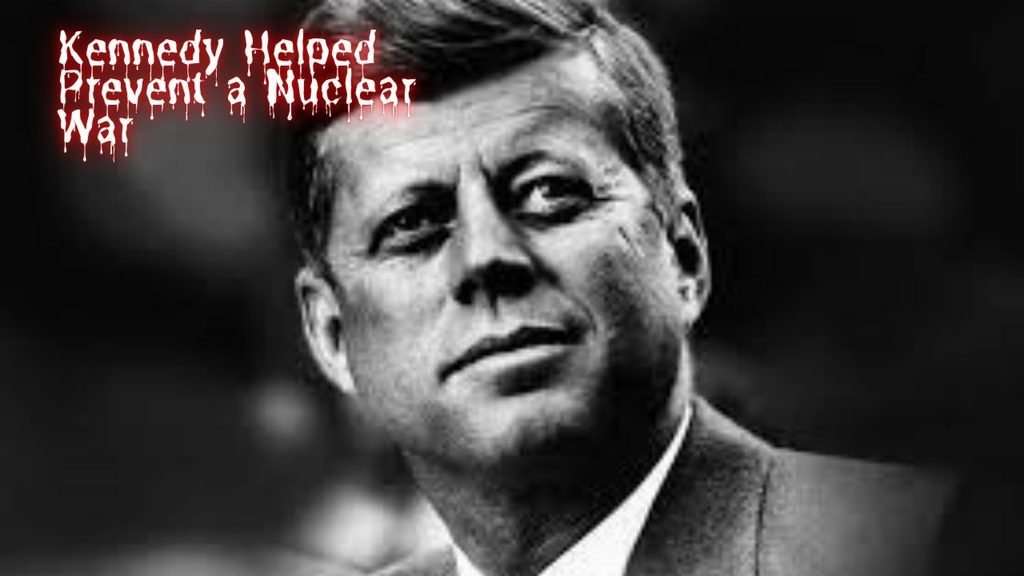
The Cuban Missile Crisis in 1962 brought the United States and the Soviet Union dangerously close to nuclear conflict.
Kennedy’s administration worked through tense negotiations with Soviet leader Nikita Khrushchev. After several stressful days, both sides reached an agreement that avoided war.
Historians often point to this event as one of Kennedy’s greatest tests as president.
Best for: History classes, political science studies, leadership case studies, world affairs discussions.
He Changed Politics Through Television
Kennedy’s 1960 debates with Richard Nixon were the first televised presidential debates in American history.
Viewers who watched on television generally believed Kennedy performed better, while many radio listeners thought Nixon had won. This showed how powerful visual media could be in shaping public opinion.
Modern political campaigns still reflect lessons learned from those debates.
Best for: Media studies, communications courses, political history, public speaking lessons.
10 Facts About John F. Kennedy
John F. Kennedy, often known as JFK, was the 35th president of the United States and one of the most recognized political figures in American history. He served as president from 1961 until his assassination in 1963. His leadership, public speeches, and vision for America’s future made him an important figure of the 20th century.
Some interesting facts about Kennedy include that he was the youngest person ever elected U.S. president, served in the Navy during World War II, established the Peace Corps, and played a major role during the Cuban Missile Crisis. He also supported space exploration and encouraged Americans to work toward landing a man on the Moon.
8 Interesting Facts About John F. Kennedy
John F. Kennedy’s life was full of remarkable experiences, both before and during his presidency. Before entering politics, he served in the U.S. Navy during World War II, where he became known for his courage after his patrol boat, PT-109, was struck by a Japanese destroyer. His actions helped save several members of his crew.
Another interesting fact is that Kennedy became the first Roman Catholic president of the United States. He was also known for his inspiring speeches, strong interest in science and space exploration, and efforts to improve relations between nations. His famous goal of sending an American to the Moon became a major part of his presidential legacy.
5 Fun Facts About John F. Kennedy
Beyond politics, John F. Kennedy had a personal life that attracted considerable public attention. He loved spending time with his family, enjoyed sailing, and had a strong interest in sports. His family also kept several pets at the White House, including a pony named Macaroni, which became popular with visitors and the public.
Kennedy also had a special connection with the U.S. Navy and enjoyed reading books. He was known for his sense of humor and relaxed public personality. These personal details offer a different look at JFK and help readers understand the man behind the presidency.
John F. Kennedy Facts for Kids
John F. Kennedy was an American leader who became the 35th president of the United States. He was born on May 29, 1917, in Brookline, Massachusetts. People often called him JFK, and he became president in 1961 when he was just 43 years old. He was the youngest person elected to the office of U.S. president.
Kennedy wanted to make America a better place through education, science, and public service. He encouraged the country to explore space and supported the creation of the Peace Corps, an organization that sends volunteers to help communities around the world. His life is an interesting part of American history that students can learn about in school.
Where Was John F. Kennedy Born?
John F. Kennedy was born on May 29, 1917, in Brookline, Massachusetts, a town near Boston. He was the second of nine children in the well-known Kennedy family. His parents were Joseph P. Kennedy Sr. and Rose Fitzgerald Kennedy, who played important roles in shaping his early life and education.
Growing up in Massachusetts, Kennedy attended private schools and developed an interest in history, politics, and public affairs. His childhood experiences and family background helped prepare him for a future in public service. His birthplace remains an important historical location associated with his early life.
John F. Kennedy as President
John F. Kennedy became the 35th president of the United States on January 20, 1961. During his presidency, he focused on civil rights, education, economic growth, and America’s role in international affairs. His administration also introduced the Peace Corps, which encouraged Americans to volunteer and support communities in other countries.
One of the most challenging moments of his presidency was the Cuban Missile Crisis in October 1962, when the United States and the Soviet Union faced a serious nuclear confrontation. Kennedy also made space exploration a national priority by announcing the goal of landing an American on the Moon before the end of the 1960s. His presidency ended on November 22, 1963, when he was assassinated in Dallas, Texas.
John F. Kennedy’s Education
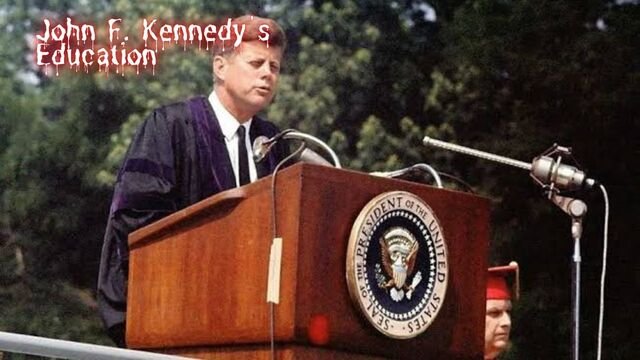
John F. Kennedy received his early education at private schools in Massachusetts before attending Choate Rosemary Hall in Connecticut. After briefly studying at Princeton University, he transferred to Harvard University. At Harvard, he studied government and international affairs, developing an interest in politics and world events.
Kennedy graduated from Harvard in 1940. His senior thesis examined Britain’s response to the rise of Nazi Germany in the years before World War II and was later published as a book titled Why England Slept. His education helped develop his understanding of international relations and prepared him for his later career in politics.
How Old Was John F. Kennedy?
John F. Kennedy was born on May 29, 1917, and was 43 years old when he became president of the United States in January 1961. This made him the youngest person elected to the American presidency. His relatively young age brought a new generation of leadership and energy to the White House.
Kennedy was 46 years old when he was assassinated on November 22, 1963, in Dallas, Texas. Although his presidency lasted less than three years, his influence on American politics, international relations, and space exploration continued long after his death. He remains one of the most remembered presidents in U.S. history.
John F. Kennedy Came From a Famous Family
Kennedy was born into one of America’s most influential families. His father, Joseph P. Kennedy Sr., was a businessman and diplomat, while several of his siblings also entered public service.
The Kennedy family became known for its achievements in politics, law, and philanthropy.
Even today, the name “Kennedy” carries significant historical and cultural meaning.
Best for: Family history projects, genealogy studies, political discussions, cultural research.
He Lived With Serious Health Problems
Despite appearing energetic and confident in public, Kennedy faced numerous health issues throughout his life.
He suffered from chronic back pain, digestive problems, and Addison’s disease. He often relied on medication to manage his symptoms while carrying out presidential duties.
His ability to lead despite these challenges continues to inspire many people dealing with their own health struggles.
Best for: Resilience lessons, health awareness discussions, biographies, motivational examples.
The PT-109 Story Became Legendary
The story of PT-109 became a major part of Kennedy’s public image.
After rescuing his crew, he famously carried an injured sailor by gripping the strap of the man’s life jacket with his teeth while swimming to safety.
The event later inspired books, documentaries, and a Hollywood film, helping establish Kennedy’s reputation for bravery.
Best for: Leadership training, military studies, historical documentaries, educational content.
His Inaugural Address Is Still Quoted Today
Kennedy delivered one of the most memorable inaugural speeches in U.S. history on January 20, 1961.
His famous line, “Ask not what your country can do for you—ask what you can do for your country,” continues to inspire people around the world.
The speech encouraged civic responsibility and remains a staple in classrooms and history books.
Best for: Speech analysis, public speaking courses, motivational content, history education.
Jacqueline Kennedy Helped Shape His Legacy
John F. Kennedy’s wife, Jacqueline Kennedy, became one of America’s most admired First Ladies.
Known for her style, intelligence, and support of the arts, she helped create the image of the Kennedy White House as “Camelot”—a term associated with idealism and elegance.
Her efforts to preserve Kennedy’s legacy have contributed significantly to his enduring popularity.
Best for: Cultural studies, fashion history, biographies, First Lady research.
His Legacy Continues More Than 60 Years Later
John F. Kennedy served as president for less than three years, yet his influence remains strong.
Schools, airports, libraries, and public spaces bear his name. His speeches are still studied, and documentaries about his life continue to attract audiences worldwide.
Few leaders have maintained such widespread recognition across generations.
Best for: Historical research, educational materials, leadership studies, cultural discussions.
Best Interesting Facts About John F Kennedy for School Projects
If you’re creating a presentation, report, or classroom assignment, these facts are especially useful:
- Youngest elected U.S. president
- World War II military hero
- Pulitzer Prize winner
- Led during the Cuban Missile Crisis
- Inspired the moon mission
- Famous inaugural address
- First televised presidential debates
- Lifelong health challenges
These topics are easy to research and provide a balanced view of Kennedy’s life and accomplishments.
John F. Kennedy’s Impact on Leadership and Public Service
Many people remember Kennedy not only for what he accomplished but also for how he inspired others.
His speeches encouraged citizens to become more involved in their communities. His support for scientific advancement changed the future of space exploration. His leadership during international crises demonstrated the importance of calm decision-making.
Whether you agree with all of his policies or not, his influence on public service is difficult to ignore.
Before Sharing Historical Facts Online
When reading or sharing historical information, it’s important to rely on trustworthy sources.
John F. Kennedy’s life has inspired countless books, films, and documentaries. However, myths and conspiracy theories have also grown around his legacy. Always verify facts through reputable historical organizations, libraries, and educational institutions.
Understanding historical context helps us appreciate the real person behind the headlines.
How to Learn More About John F. Kennedy

If you’d like to explore Kennedy’s life further, consider:
- Reading Profiles in Courage
- Watching documentaries about the Kennedy presidency
- Visiting the John F. Kennedy Presidential Library online
- Studying his speeches and public addresses
- Learning about the Cuban Missile Crisis and Space Race
- Exploring World War II accounts of PT-109
These resources provide valuable insight into one of America’s most influential presidents.
FAQs About Interesting Facts About John F Kennedy
What is John F. Kennedy best known for?
John F. Kennedy is best known for serving as the 35th President of the United States, leading during the Cuban Missile Crisis, supporting the moon mission, and delivering memorable speeches that continue to inspire people today.
What was John F. Kennedy’s age when he became president?
Kennedy was 43 years old when he was elected in 1960, making him the youngest person ever elected to the U.S. presidency.
Did John F. Kennedy serve in the military?
Yes. He served in the U.S. Navy during World War II and became a hero after rescuing members of his PT-109 crew following an attack in the Pacific.
Did John F. Kennedy write any books?
Yes. Kennedy wrote several books, including Profiles in Courage, which won the Pulitzer Prize for Biography in 1957.
Why is John F. Kennedy important in space history?
He challenged America to land a person on the moon before the end of the 1960s. His vision helped launch one of history’s greatest achievements in space exploration.
What health problems did John F. Kennedy have?
Kennedy dealt with chronic back pain, digestive issues, and Addison’s disease throughout much of his life, though many Americans were unaware of these challenges during his presidency.
What was John F. Kennedy’s most famous quote?
His most famous quote is: “Ask not what your country can do for you—ask what you can do for your country.”
Why is John F. Kennedy still remembered today?
People continue to remember Kennedy because of his leadership, speeches, military service, and lasting influence on American history and culture.
Final Thoughts
There are countless interesting facts about John F Kennedy, but perhaps the most remarkable thing about him is how much he accomplished in such a short time. His life included moments of courage, challenge, and inspiration that continue to resonate with people around the world.
Whether you’re researching for school or simply curious about history, Kennedy’s story reminds us that leadership is often measured not only by achievements but by the ideas that continue to inspire future generations.

I am Olivia Bennett, a writer and quote enthusiast who loves turning everyday experiences into meaningful words. I believe that inspiration can be found in the smallest moments of life. Through my writing, I share thoughts about love, happiness, relationships, confidence, and hope. I want every quote I write to give readers something positive to think about.
Books
- Words That Touch the Heart
- Moments Worth Remembering
 Ethan Brooks